Familyr Medical Alarm: Peace of Mind for New Zealand Seniors and Their Families
When my mother moved into her own unit after my father passed, the first thing I worried about was what would happen if she fell and couldn't reach the phone. She is stubborn and fiercely independent, which I admire, but that independence comes with risk. I spent weeks researching medical alert systems, and I learned that the right personal alarm can be the difference between a minor incident and a life-altering event. After comparing options, I settled on the Familyr Medical Alarm for her, and the experience taught me what truly matters in a medical alert system for seniors in New Zealand.
Many people think a medical alarm is just a button you press when you need help. The reality is more nuanced. The best systems combine reliable hardware, smart software, and a support network that understands the specific needs of older New Zealanders. The Familyr Medical Alarm does exactly this, and I want to share what I have learned about choosing and using one effectively.
Why a Medical Alert System Matters More Than You Think
The statistics around falls among seniors are sobering. One in three people over 65 experiences a fall each year, and the risk increases with age. In New Zealand, where many older adults live alone or in rural areas, the time between a fall and getting help can be dangerously long. A personal alarm gives seniors a direct line to assistance, but the technology behind it has evolved far beyond a simple pendant.
When I first looked at medical alert systems, I was surprised by the range of features now available. GPS tracking means that even if my mother goes for a walk in the bush or visits a friend across town, I can see her location. Fall detection automatically triggers an emergency alert if the device senses a hard fall, even if she cannot press the button. Two-way calling lets the response team speak directly through the pendant to assess the situation. These features are not gimmicks; they are practical tools that save precious minutes in an emergency.
Understanding the Familyr Medical Alarm System
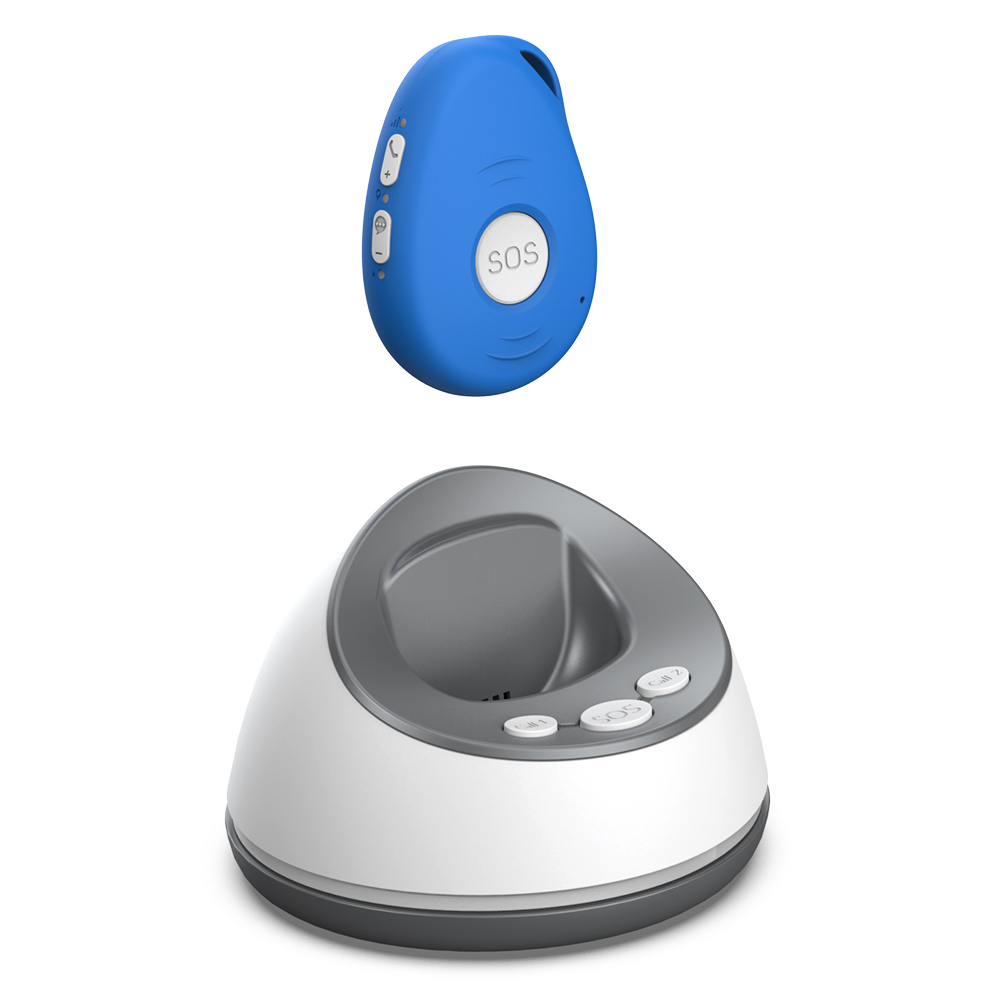
The Familyr Medical Alarm is a pendant alarm designed specifically for New Zealand seniors. It is waterproof, which means it can be worn in the shower - a common place for falls. The battery life is excellent, lasting several days on a single charge, so you are not constantly worrying about power. The device connects to a mobile app that family members can use to monitor the user's status, set up a geo-fence for safe zones, and receive alerts if the user leaves a designated area. This family monitoring feature is what sold me. It turns the medical alert system into a shared responsibility, not a solitary one.

One of the biggest concerns for seniors on a fixed income is the cost. Many medical alert systems require a monthly subscription, which can add up quickly. The Familyr system has no monthly fees. You pay for the device once, and that is it. This subscription-free model is a huge relief for families on a budget. It also means there is no contract to worry about, no surprise charges, and no pressure to keep paying for a service you may not need anymore.
How Fall Detection and GPS Tracking Work Together
Fall detection in a medical alarm is not just about the hardware. It is about the sensor range and the software that interprets the data. The Familyr Medical Alarm uses advanced accelerometers to distinguish between a sudden drop and everyday movement, like bending over to tie a shoe. This reduces false alarms while ensuring that a real fall triggers an immediate emergency alert. The GPS tracking is equally clever. It uses a combination of satellite signals and cellular triangulation to pinpoint the user's location, even indoors. This is critical because a fall in the garden or a remote part of the house can be just as dangerous as one on the street.
I remember one evening when my mother's pendant alarm went off because she had tripped over a rug in the living room. Because the system had GPS tracking, I could see exactly where she was in the house from my phone. The two-way calling feature allowed the response team to speak to her directly through the pendant, assess that she was not seriously injured, and call me to check in. The whole process took less than two minutes. Without that system, she might have lain on the floor for hours before someone found her.
The Role of a Caregiver and Family Monitoring
Being a caregiver for an aging parent is a balancing act. You want to respect their independence while ensuring their safety. The Familyr Medical Alarm supports this balance through its family monitoring features. Through the mobile app, I can see my mother's daily activity levels, her location, and the status of her device. I can set up a geo-fence around her home and receive an alert if she leaves that area, which is useful for seniors who wander due to dementia or confusion. This does not mean I am watching her every move; it means I can relax, knowing that I will be notified if something is wrong.
The 24/7 support team is another layer of safety. They are trained to handle medical emergencies, and they can contact emergency services, family members, or a rest home if needed. Knowing that someone is always there, even when I cannot be, is a huge weight off my shoulders.
What to Look For in a Personal Alarm
If you are considering a medical alert system for yourself or a loved one, here are a few things I learned from my research and experience:
- Waterproof rating: The device must be waterproof enough to wear in the shower. This is where many falls happen.
- Battery life: Look for a device that lasts at least a few days on a single charge. You do not want to be charging it every night.
- Fall detection accuracy: The system should distinguish real falls from everyday movements. Ask about the sensor range and the algorithm used.
- No hidden costs: Avoid systems with monthly fees or contracts. A subscription-free model like the one used by Familyr is more transparent and affordable.
- Family access: Ensure the system includes a mobile app or web portal for family monitoring. This gives you peace of mind without being intrusive.
Practical Advice for Getting Started
Once you have chosen a personal alarm, the next step is setting it up properly. Do not just hand the device to your loved one and walk away. Spend time showing them how to wear it, how to press the emergency button, and how to test it regularly. Place the charging station in a spot they will remember, like next to their bed or in the kitchen. Test the GPS tracking and geo-fence settings in the mobile app to make sure they work in your area. And most importantly, talk to your family member about why you are setting it up. Frame it as a tool for maintaining their independence, not as a sign that they are losing it.
I also recommend setting up a routine check-in. Every Sunday, I call my mother to ask if her pendant is charged, if she has had any falls, and if the mobile app is working correctly. This small habit keeps the system top of mind and ensures that if an emergency happens, everything is ready.
Real-World Examples of the System in Action
I have heard from other families who use the Familyr Medical Alarm, and their stories reinforce why this technology matters. One friend told me about her father, who has dementia and wanders. He left the house one afternoon, and because the geo-fence was set, she received an alert on her phone. She used the GPS tracking to see that he was walking toward a busy road, and she was able to get to him before he crossed. Another woman told me about her mother, who fell in the garden while pruning roses. The fall detection triggered an emergency alert, and the two-way calling feature allowed the support team to confirm she was conscious but unable to get up. An ambulance was dispatched, and she received treatment for a broken wrist within 30 minutes.
These are not abstract scenarios. They happen every day to seniors in New Zealand. The right medical alert system can turn a frightening situation into a manageable one.

Final Thoughts
Choosing a medical alarm for a senior family member is a personal decision, and it depends on their lifestyle, health, and living situation. But after my own experience, I believe the Familyr Medical Alarm offers a compelling combination of features, reliability, and affordability for New Zealand families. It is not just a pendant alarm; it is a complete system that includes GPS tracking, fall detection, two-way calling, and family monitoring, all without monthly fees. It gives seniors the confidence to live independently and gives their families the peace of mind that help is always a button press away.
If you are in the process of choosing a personal alarm, take the time to understand what each feature actually does for you. Talk to the provider about battery life, sensor range, and how the 24/7 support works. And remember that the best system is the one that your loved one will actually wear. A medical alert system is only useful if it is on their wrist or around their neck when they need it. The Familyr Medical Alarm is designed to be comfortable, waterproof, and unobtrusive, which increases the likelihood that it will be worn consistently. That, in the end, is what makes all the difference.